What flooring is best for a commercial gym?
Most commercial gyms use a mixed system: rubber rolls for cardio and studios, rubber tiles for free-weight zones, turf for sled lanes and acoustic underlay for upper-floor areas.

A commercial gym rarely needs one flooring product everywhere. Cardio zones, free-weight areas, turf lanes, studios, reception areas and upper-floor rooms each need a different balance of thickness, density, cleaning, sound control and installation method. WDER helps buyers turn a gym layout into a practical factory quote and sample plan.
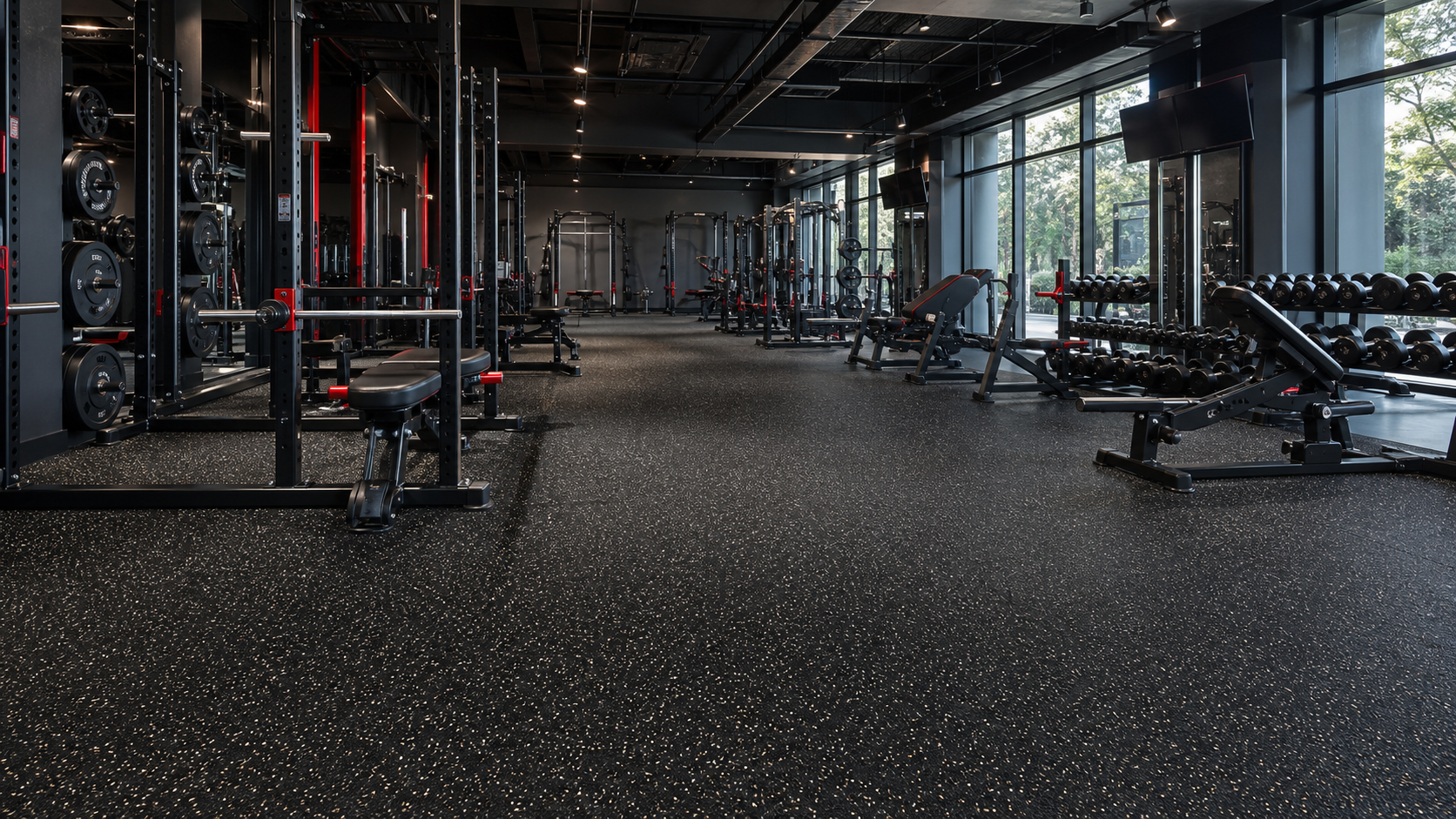
Commercial gym owners, gym chains, contractors, distributors and importers planning full fitness spaces.
Each category has real specifications, images, FAQ content and a dedicated SEO page.
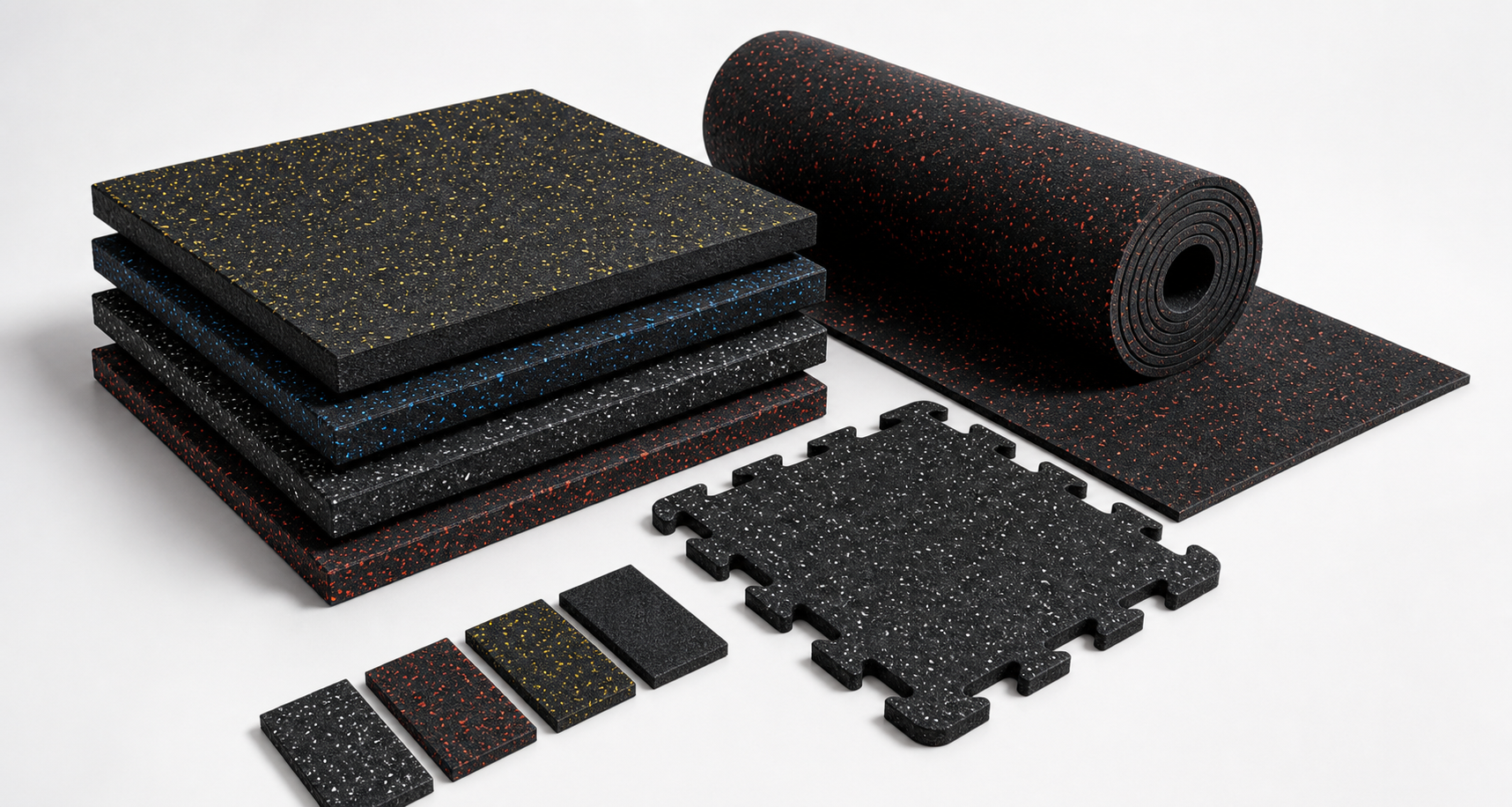
Strength rooms, free-weight areas and heavy traffic zones
Ver produtosCardio, studio and large continuous areas
Ver produtosSled tracks, sprint lanes and functional training
Ver produtosClean studio, cycling and sports rooms
Ver produtosUpper-floor gyms, hotels and noise-sensitive projects
Ver produtosEach guide is structured for specification comparison, supplier evaluation and quote preparation.
Most commercial gyms use a mixed system: rubber rolls for cardio and studios, rubber tiles for free-weight zones, turf for sled lanes and acoustic underlay for upper-floor areas.
It can be done, but it is often less practical. A zone-based flooring plan usually improves performance, cost control and future replacement.
Yes. WDER can prepare samples, product recommendations, export packing details and factory quotes for distributors, contractors and gym project buyers.
Send room layout, training zones, estimated area, preferred products, thickness target, quantity, destination and packaging requirements.
Contact WDER Factory Team
Share product type, thickness, color, quantity, application and destination port. The WDER team will recommend suitable samples and a practical quote path.
Ningjin city, Dezhou city, Shandong province of China
Open larger map