Request Free Samples
Compare surface, density, color and thickness before bulk order.

A commercial gym rarely needs one flooring product everywhere. Cardio zones, free-weight areas, turf lanes, studios, reception areas and upper-floor rooms each need a different balance of thickness, density, cleaning, sound control and installation method. WDER helps buyers turn a gym layout into a practical factory quote and sample plan.
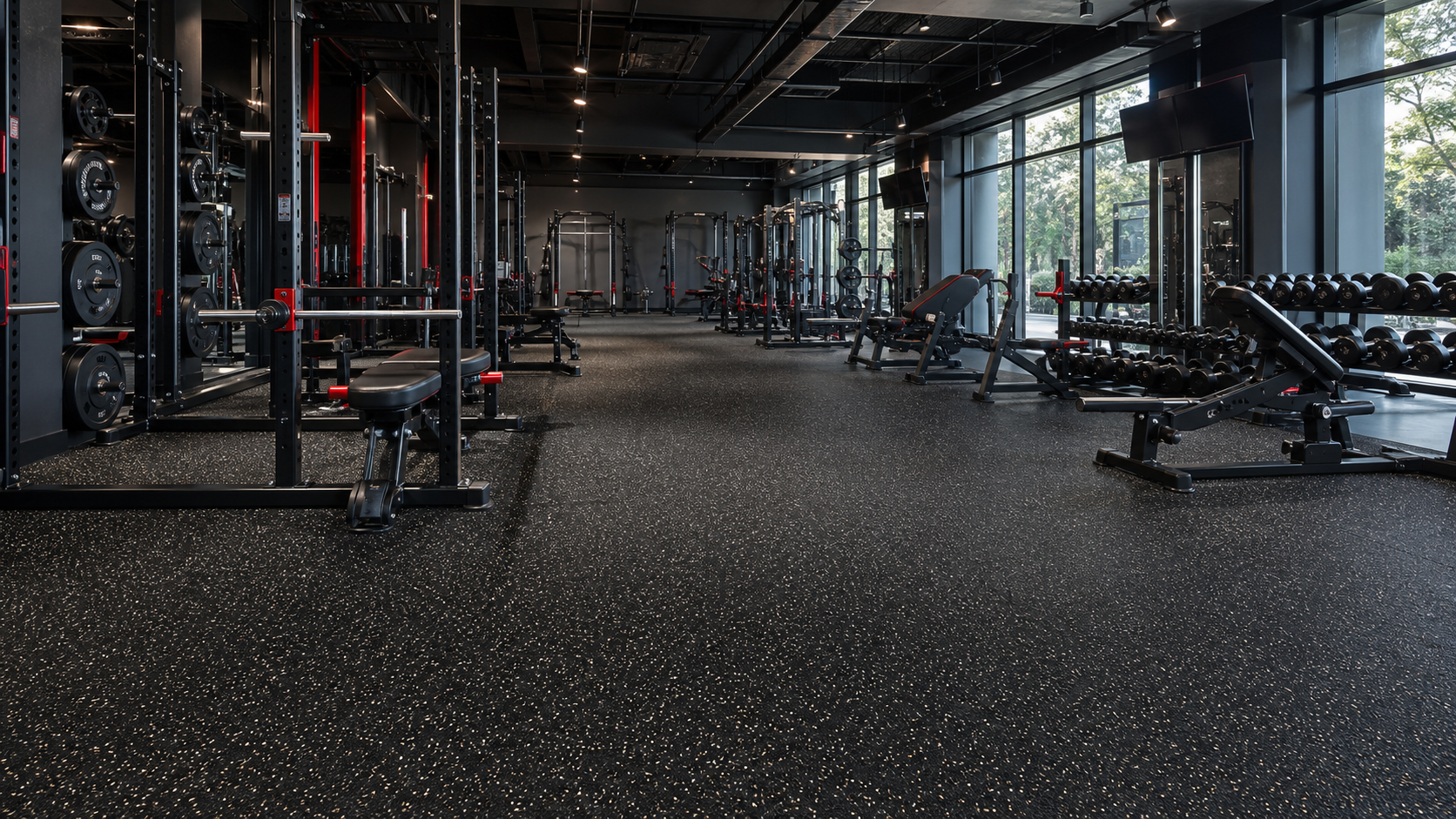
Commercial gym owners, gym chains, contractors, distributors and importers planning full fitness spaces.
Compare surface, density, color and thickness before bulk order.
Send area size, product type, quantity, destination and packaging needs.
Discuss cartons, pallets, labels, documents and container loading.
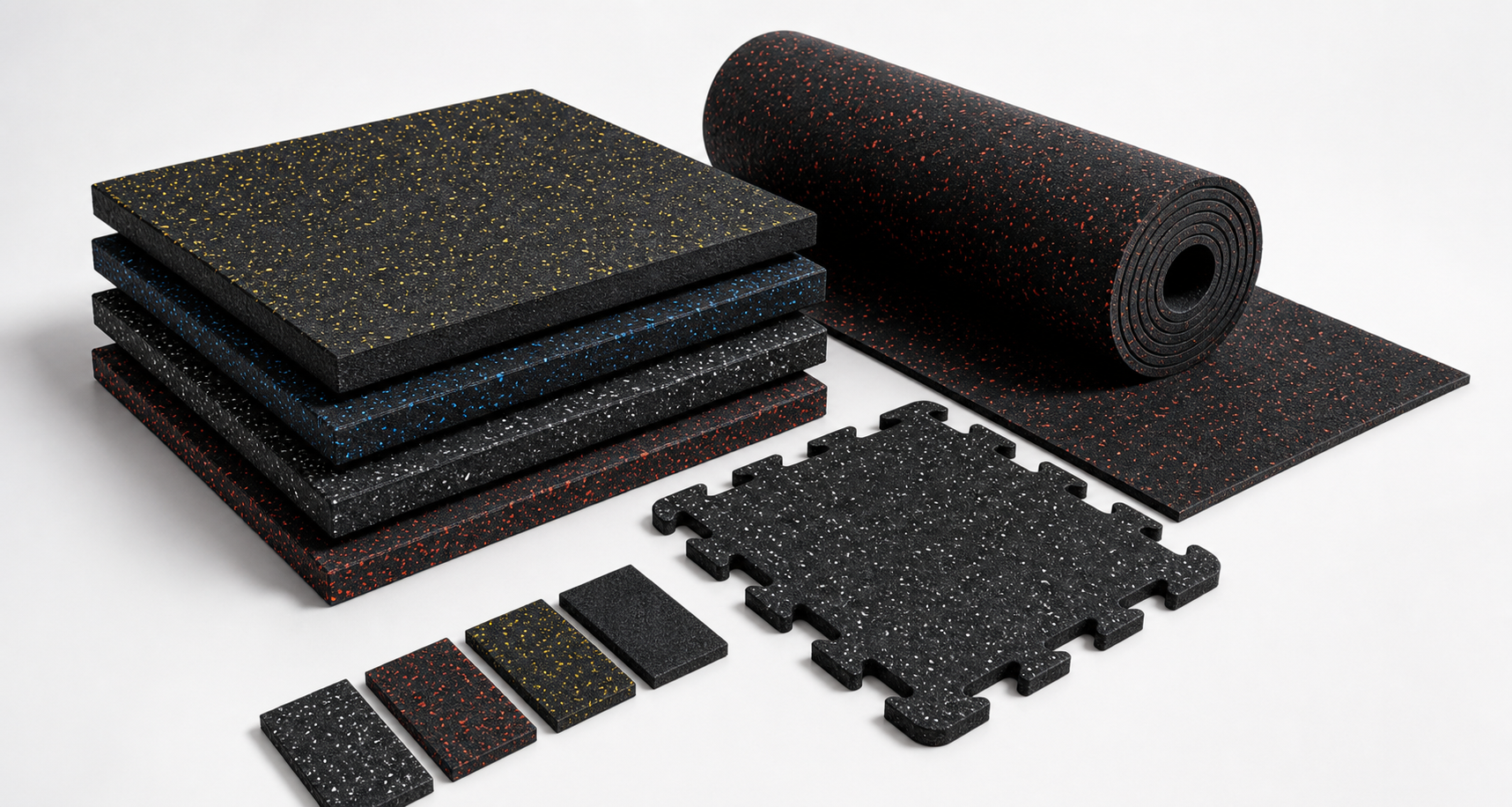
Strength rooms, free-weight areas and heavy traffic zones
View productCardio, studio and large continuous areas
View productSled tracks, sprint lanes and functional training
View productClean studio, cycling and sports rooms
View productUpper-floor gyms, hotels and noise-sensitive projects
View productThese are sourcing directions, not fixed engineering promises. Final thickness depends on training use, equipment load, product model, subfloor and installation environment.
A zone-by-zone specification prevents overbuying thick flooring for light areas and under-specifying impact zones.
Rubber tiles, rolls and turf can be combined to support strength, cardio and functional training in one project.
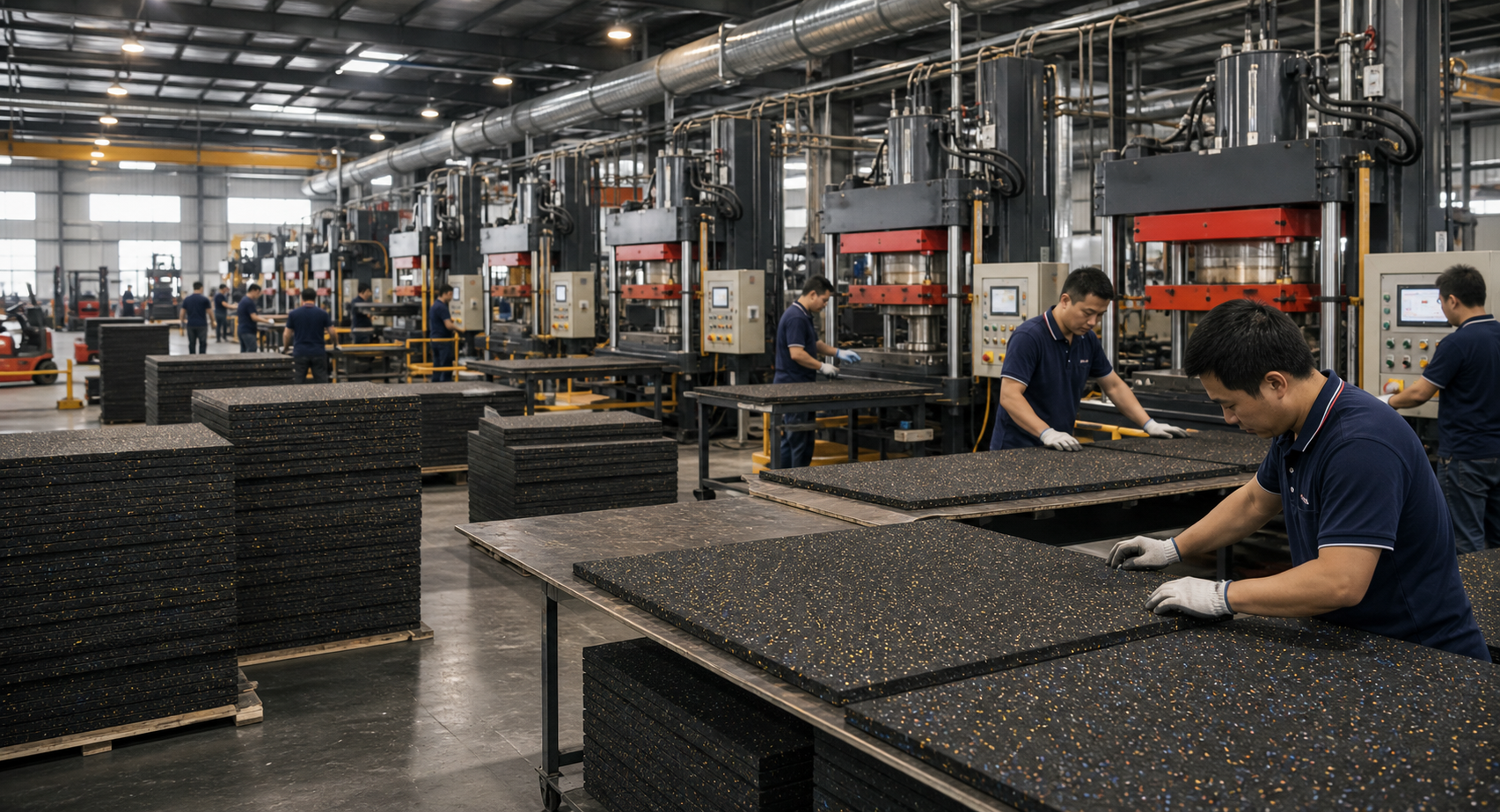
Factory sample approval helps overseas buyers confirm surface, density, color and smell before bulk order.
Free-weight areas should use thicker rubber surfaces than cardio zones.
Upper-floor gyms should be reviewed as a complete floor system, not only by top-layer thickness.
Specifications can be confirmed based on product model and sample testing.
Plan roll seams away from heavy equipment where possible.
Use modular tiles where future replacement is important.
Confirm subfloor condition before choosing adhesive, loose-lay or interlocking installation.
Custom EPDM color speckles
Custom logo or turf lane marking
Private label packaging
Distributor sample cards
Most commercial gyms use a mixed system: rubber rolls for cardio and studios, rubber tiles for free-weight zones, turf for sled lanes and acoustic underlay for upper-floor areas.
It can be done, but it is often less practical. A zone-based flooring plan usually improves performance, cost control and future replacement.
Yes. WDER can prepare samples, product recommendations, export packing details and factory quotes for distributors, contractors and gym project buyers.
Send room layout, training zones, estimated area, preferred products, thickness target, quantity, destination and packaging requirements.
Use this link to compare products, review OEM support or request samples.
Open pageUse this link to compare products, review OEM support or request samples.
Open pageUse this link to compare products, review OEM support or request samples.
Open pageUse this link to compare products, review OEM support or request samples.
Open page