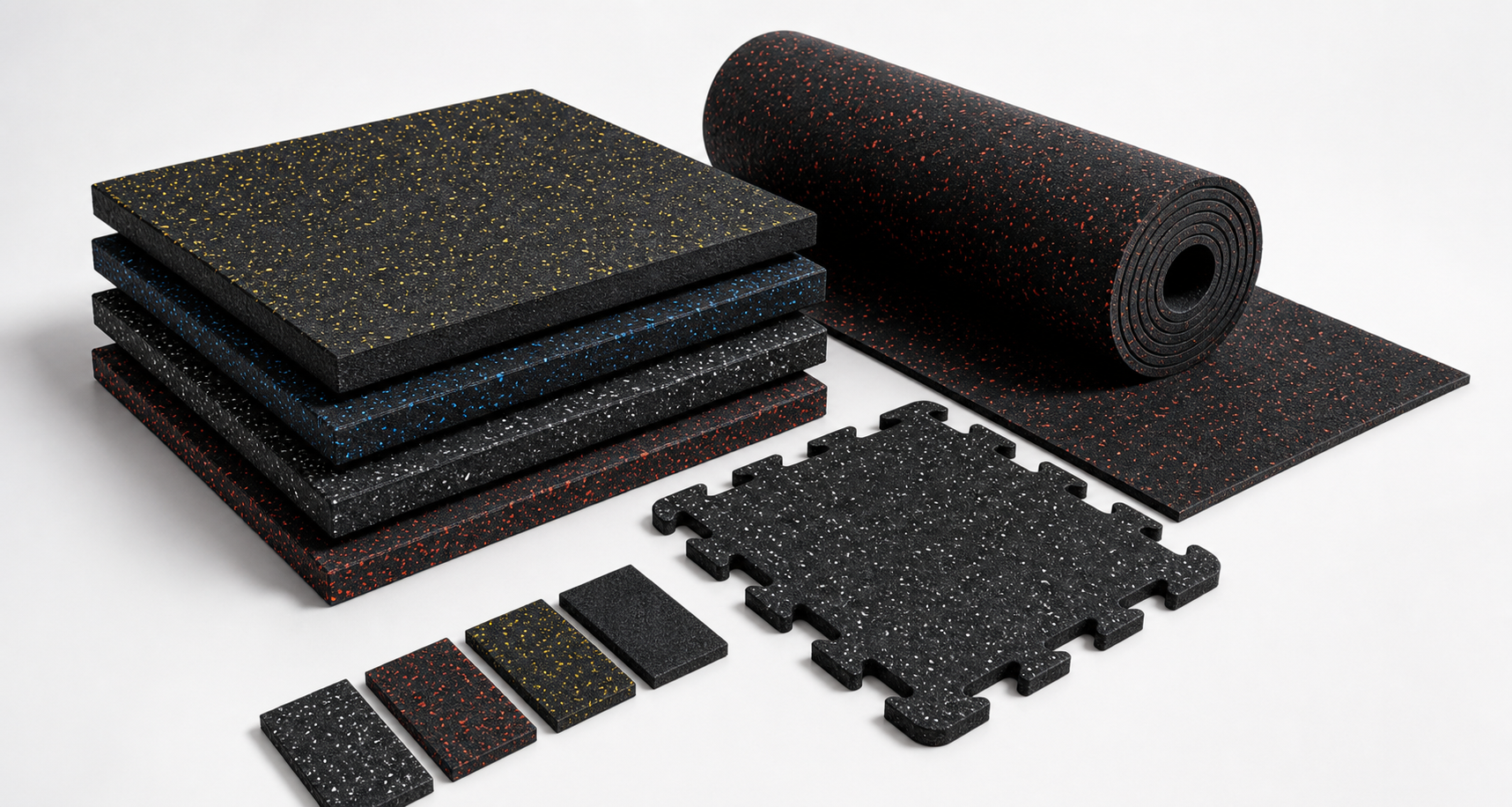
Request Free Samples
Compare surface, density, color and thickness before bulk order.
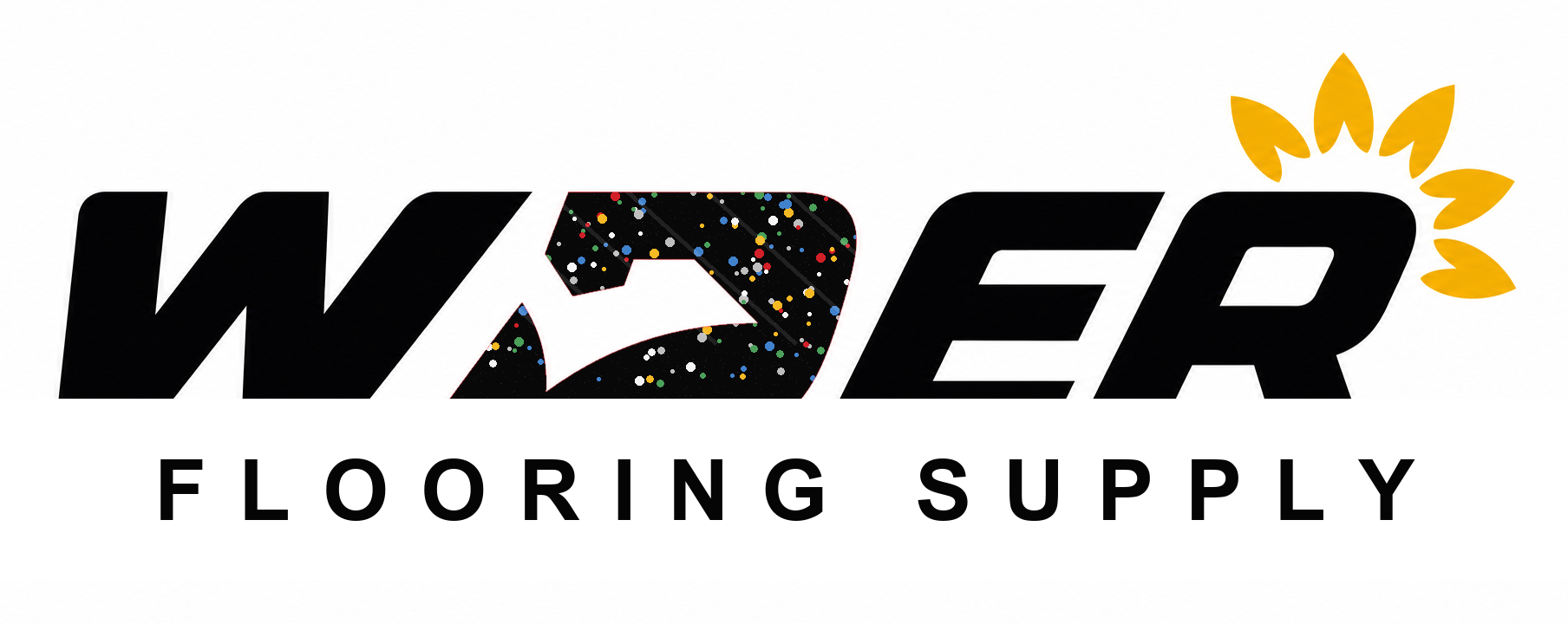
Free-weight areas create concentrated impact from dumbbells, plates, kettlebells and benches. The flooring should protect the subfloor, feel stable under equipment and be practical to replace if a high-use zone wears faster than the rest of the gym.
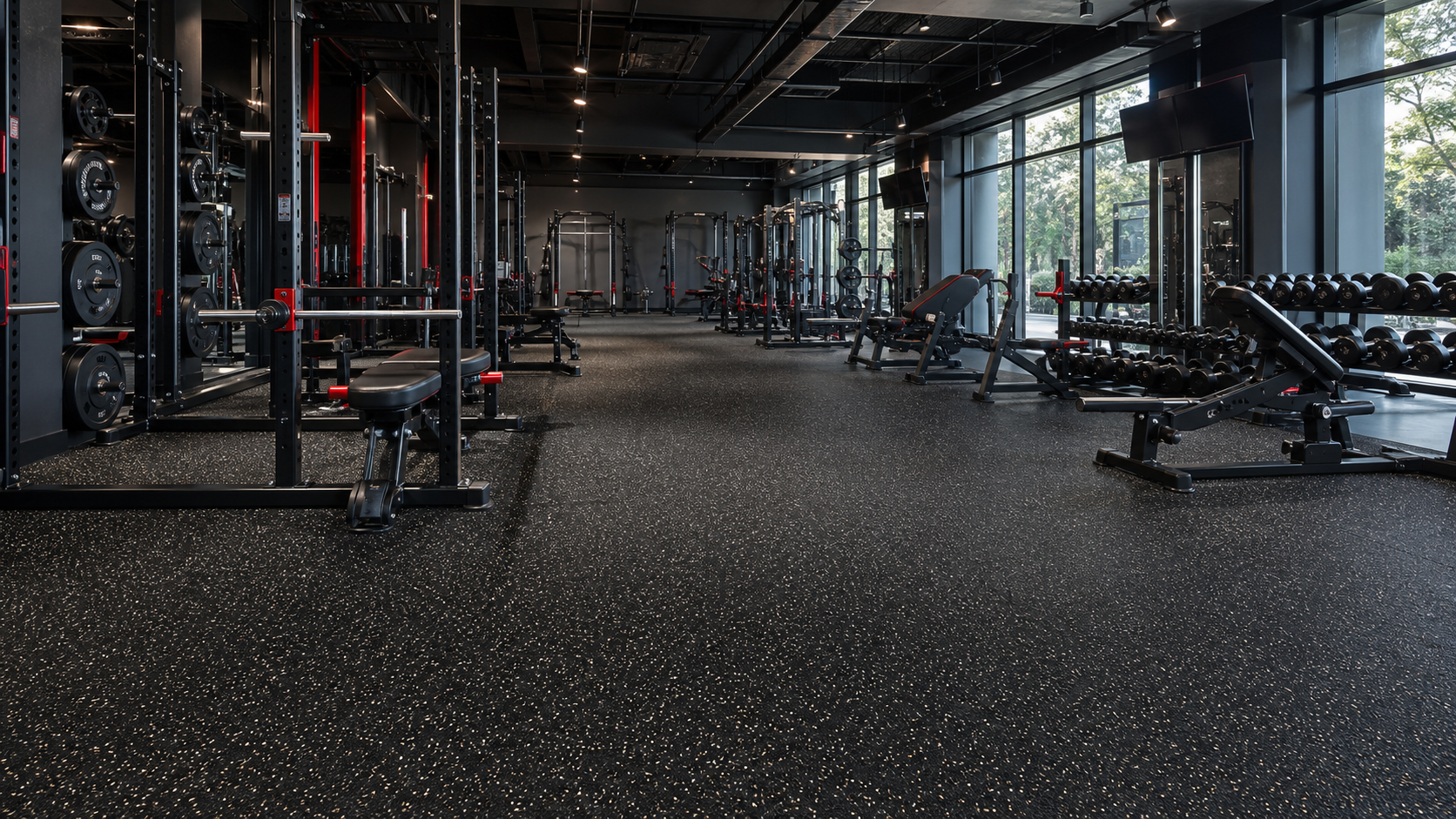
Gym owners, CrossFit box owners, contractors and gym chains building high-impact training zones.
Compare surface, density, color and thickness before bulk order.
Send area size, product type, quantity, destination and packaging needs.
Discuss cartons, pallets, labels, documents and container loading.
These are sourcing directions, not fixed engineering promises. Final thickness depends on training use, equipment load, product model, subfloor and installation environment.
Thicker rubber tiles provide stronger localized protection than thin rolls in impact zones.
Modular tiles make damaged-area replacement easier for busy gyms.
EPDM speckled surfaces help commercial gyms create a cleaner, more branded look.
Rubber flooring reduces impact but does not remove all vibration or structure-borne noise.
For upstairs gyms, discuss underlay and building structure before confirming thickness.
Sample testing is recommended before bulk order confirmation.
Check subfloor flatness before installing square or interlocking tiles.
Use clear edge planning where free-weight zones meet turf or cardio flooring.
Keep replacement tiles from the same batch if the project requires future maintenance.
Custom thickness
Custom EPDM speckle color
Private label cartons
Distributor-ready sample sets
Heavy-duty rubber gym tiles are usually preferred because they can be thicker and easier to replace than roll flooring.
20mm is a common starting point for many commercial free-weight zones, but final thickness depends on equipment load, drop behavior and subfloor conditions.
Rolls can work in lighter areas, but heavier dumbbell zones usually need thicker rubber tiles or added protection.
Yes. Buyers should compare thickness, density, surface texture and color before confirming bulk production.
Use this link to compare products, review OEM support or request samples.
Open pageUse this link to compare products, review OEM support or request samples.
Open pageUse this link to compare products, review OEM support or request samples.
Open pageUse this link to compare products, review OEM support or request samples.
Open page